
Dog Food – Feeding the Best to your Dog
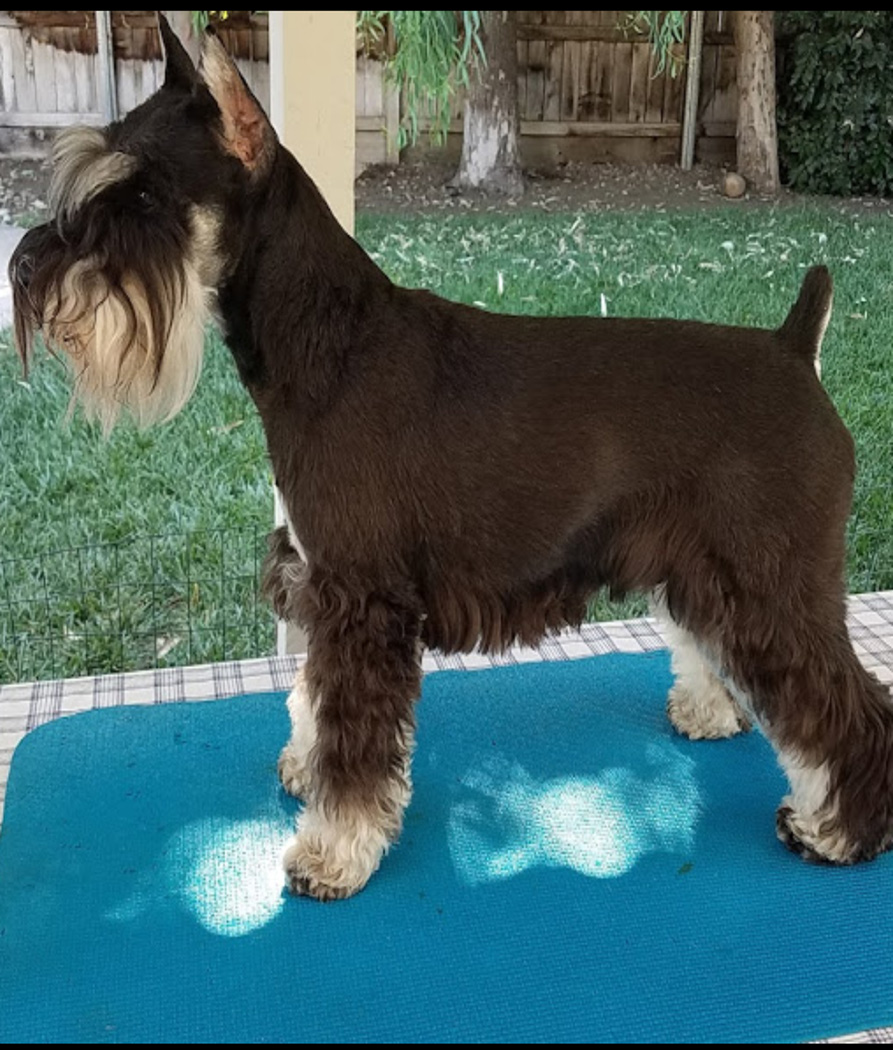
We all want to feed our dog the best food possible. It is important to know what you are feeding your dog. One dog food that is great is Just Food for Dogs (fresh). Generally this food is found in the frozen section. You will spend more for this food however this author feels that it is worth it.
-
- JustFoodForDogs Venison Recipe: Their actual fresh-frozen recipe is Venison & Squash, which contains ground New Zealand venison, butternut squash, sweet potatoes, Brussels sprouts, cranberries, sunflower oil, and omega marine microalgae oil—no lentils, peas, or chickpeas. [1]
Just Food For Dogs offers many different recipes to choose from. It is important to note that the recipe I have chosen to feed my dog does not contain lentils, peas, or chickpeas.
- Sundays is gently air-dried, vet formulated dog food made with real, recognizable ingredients – not synthetic nutrient blends or artificial preservatives. Actual recipes can be found on the SundaysforDogs.com website.
There are other great dog foods however it is best to check the ingredients before purchasing a dog food. The goal here is to choose a food that you can afford and is good for your dog. There are many good dog foods to choose from and those noted above are not the only good dog foods.
Some dog foods contain lentils, peas, or chickpeas to boost protein. In the 1990s manufacurers began offering grain-free dog foods using lentils, peas, and/or chickpeas to boost protein in their dog foods. By 2010 grain-free and legume-heavy diets (using peas, lentils, and chickpeas as primary binders and protein sources) saw a massive commercial boom. Many consumers believed that they were doing their dog a favor by choosing these options. in 2018 the U.S. Food and Drug Administration (FDA) launched an investigation into a potential link between grain-free diets—heavily reliant on peas, lentils, and other legumes—and canine dilated cardiomyopathy (DCM) (enlarged heart). Unfortunately there appears to be a link between the grain-free diets of dogs and DCM or enlarged hearts. It appears that non-hereditary DCM (enlarged heart) may be due to ingredients used to replace grains in grain-free diets, such as lentils or chickpeas.
The FDA has seen a surge in the number of cases in breeds of dogs not previously known to have a genetic predisposition to the DCM disease. The breeds that saw an increase which was not normal included Golden Retrievers and Miniature Schnauzers, unlike traditional genetic cases seen in Dobermans, Great Danes, or Irish Wolfhounds. In the FDA’s investigation into diet-associated heart conditions in dogs, 93% of the reported commercial dog food formulas contained peas and/or lentils (with 89% specifically containing peas).
It should be noted that DCM does not have a cure, and it can only be managed with medications that can improve and lengthen a dog’s quality of life. The prognosis for dogs with DCM is less favorable after they have developed heart failure.
One of the dog foods that I personally like is the food made by Fromm. They offer a dry kibble that is free of lentils, peas, and/ chickpea protein. Example would be:
Four-Star Highlander Beef, Oats, ‘n Barley® Recipe Dry Dog Food
The key thing to remember is that many dog foods are availble that do not use pea proteins in their formulas. The best thing all of us can do is be informed and aware of possible associated risks.
Currently as of October 2026, 51% of dry dog foods contain peas or pea-derived components. In the “grain-free” marketed dog foods 40% to 44% contain peas, lentils, or potatoes.
Studies suggest that lentils, peas, and/or chickpea proteins may interfere with taurine absorption, increase fecal bile acid excretion, or disrupt the body’s natural synthesis pathway rather than just failing to supply taurine directly. While dogs can synthesize taurine themselves using the sulfur-containing amino acids methionine and cysteine. These amino acids are low in pea protein diets. Natural taurine, is found almost exclusively in animal tissues (meat, poultry, fish, and eggs) and not in pea protein diets.
It is important to discuss all of your concerns about your dogs diet with a licensed veterinarian. This includes when you choose to supplement your dog’s diet with over the counter supplements.